
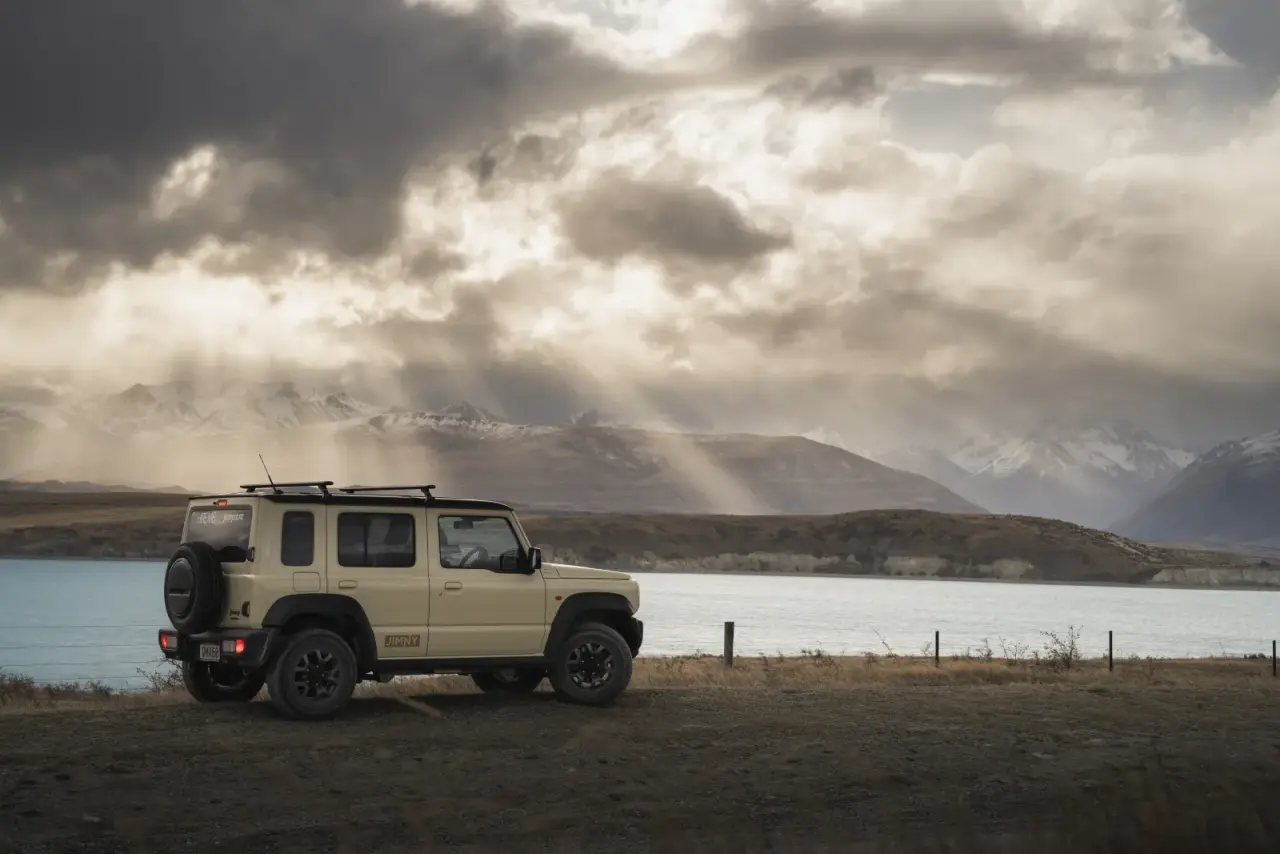
Campervan vs 4WD in New Zealand, what's better?
Road types, gravel, wind, and camping flexibility. A straight comparison so you can pick the right vehicle for your trip.
Deciding between a campervan and a 4WD (with or without a rooftop tent) comes down to what you want from the trip. For the full picture on campervan versus rooftop tent, see our campervan vs rooftop tent in New Zealand guide. Here we focus on where each type of vehicle shines, how they handle NZ roads, and who should pick what. If you are also weighing campervan versus plain car, campervan or car for a NZ road trip is useful. For alternatives to a big van, campervan alternatives in New Zealand sums up the options.
Road types and where each shines
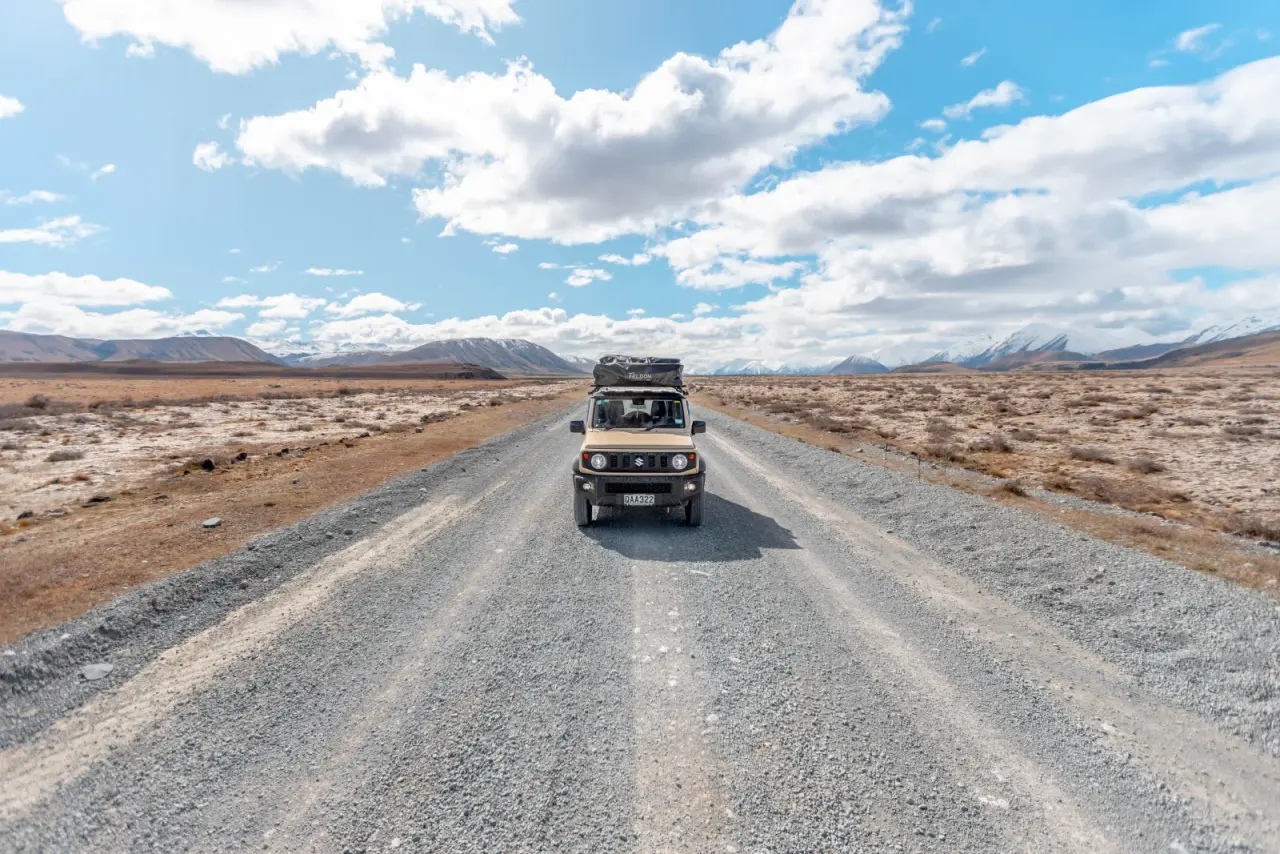
On sealed main routes, both a campervan and a 4WD are fine. A campervan gives you a bed and kitchen on board but is bigger and heavier. A 4WD (especially a compact one) is nimbler and uses less fuel. On gravel access roads to DOC camps or scenic spots, a 4WD often feels more at home. Rental terms allow gravel public roads; off-road use is not permitted. So the 4WD shines when you want to mix sealed highways with the odd gravel road without stressing about the vehicle. The campervan shines when you want to wake up and have breakfast inside without stepping out.
Gravel roads, wind, narrow roads
NZ has plenty of winding, narrow, and sometimes unsealed roads. Gravel: fine in a normal car at a sensible speed; a 4WD can feel more confident. Wind: high-sided campervans get pushed around more than a low-profile car or compact 4WD. Narrow sections and single-lane bridges: easier in something car-sized. Many tourists who hire a big van are surprised by how much the wind and narrow bits affect the drive. A compact 4WD with a rooftop tent keeps the driving experience close to a normal car while still letting you camp. For a real-trip perspective, why we chose a rooftop tent in NZ talks about this.
Camping flexibility
A campervan lets you park and sleep and cook in one unit. You are less tied to where the next toilet or shower is. A 4WD with a rooftop tent means you rely on DOC camps and holiday parks for facilities, but you can get to more of them easily and you are not limited to camps that suit a long vehicle. Both setups work with freedom camping where it is allowed and where your vehicle meets the rules (e.g. self-contained if required). So flexibility is different, not necessarily better or worse. It depends whether you prefer everything on board or a smaller vehicle and more choice of camps.
What tourists regret choosing
Common regrets with a campervan: underestimating how stressful driving a big van on winding roads can be, and how hard it is to park in small towns. With a car only (no rooftop tent), some people wish they had a proper camping setup instead of relying on motels every night. A compact 4WD with a rooftop tent avoids the size and parking hassle of a van and still gives you a real camping experience. So the regret to avoid is choosing a van because it sounds cosy without thinking about the driving and parking reality.
Who should pick what
Pick a campervan if you want a kitchen and living space inside, are travelling with kids, or do not mind the extra size and cost. Pick a 4WD with a rooftop tent if you want to camp without a big van, prefer easy driving and parking, and are happy using campsite facilities. Pick a plain car if you are mainly staying in accommodation and only need transport. For two people who want a bit of adventure without the van, a small 4WD and rooftop tent is a strong option. See our vehicles and camping pages for what we offer.
Related: