
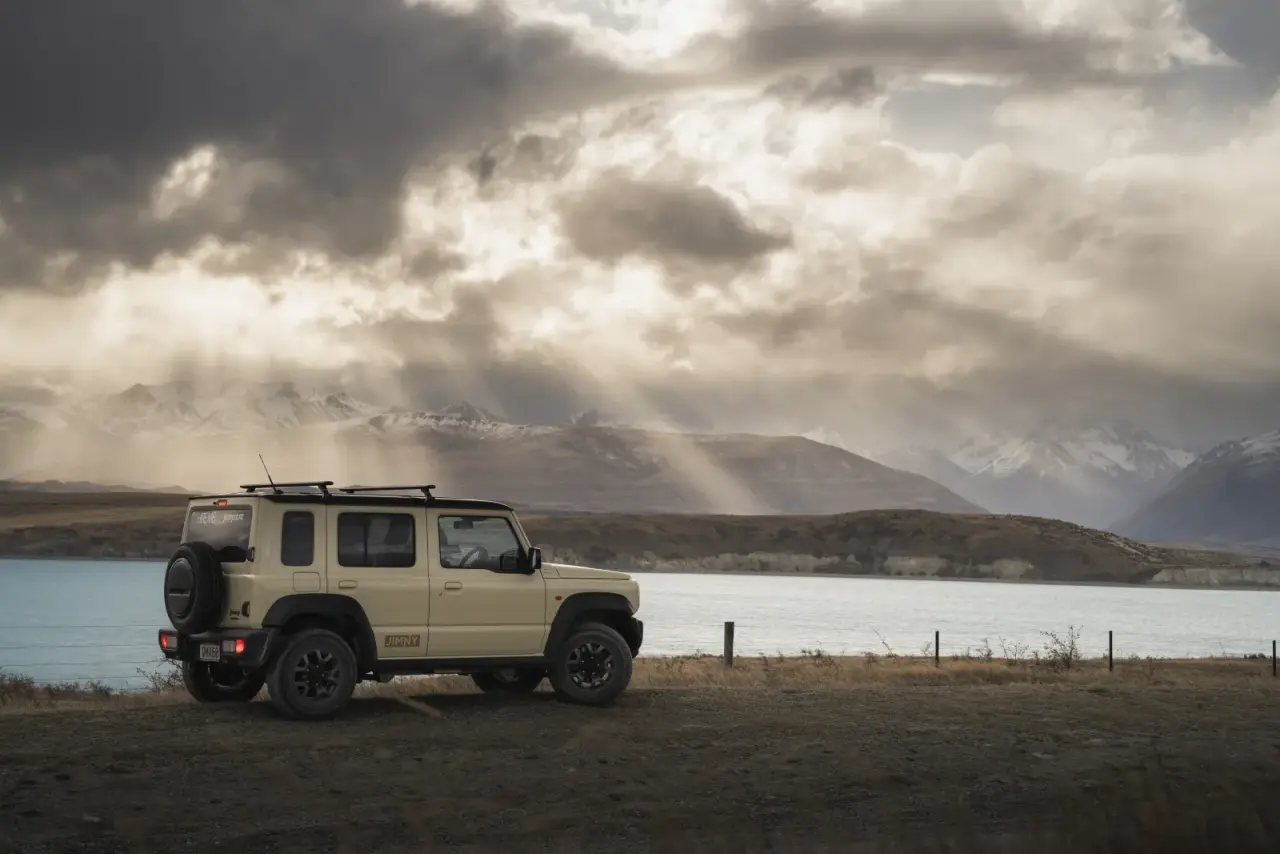
Why We Chose a Rooftop Tent Instead of a Campervan in NZ
We had planned to hire a campervan. Here is what changed our mind, what surprised us about rooftop tent travel, and what we would do differently next time.
This is a practical first-person take, not a sales pitch. For a full comparison, see campervan vs rooftop tent in New Zealand. Here we focus on what it was like to switch from a van to a small 4WD with a rooftop tent, and what we learned along the way.
What we originally planned (campervan)
We had booked a campervan for a South Island loop. The idea was classic: bed and kitchen on board, no need to pack a tent, and the freedom to stop wherever we could park. It sounded simple. We had not really thought about what it would be like to drive a high-sided van on winding roads or to find a park in busy towns. That changed once we started looking at real trip reports and route photos. We began to wonder if something smaller might be less stressful and still give us the camping feel we wanted.
What changed our mind
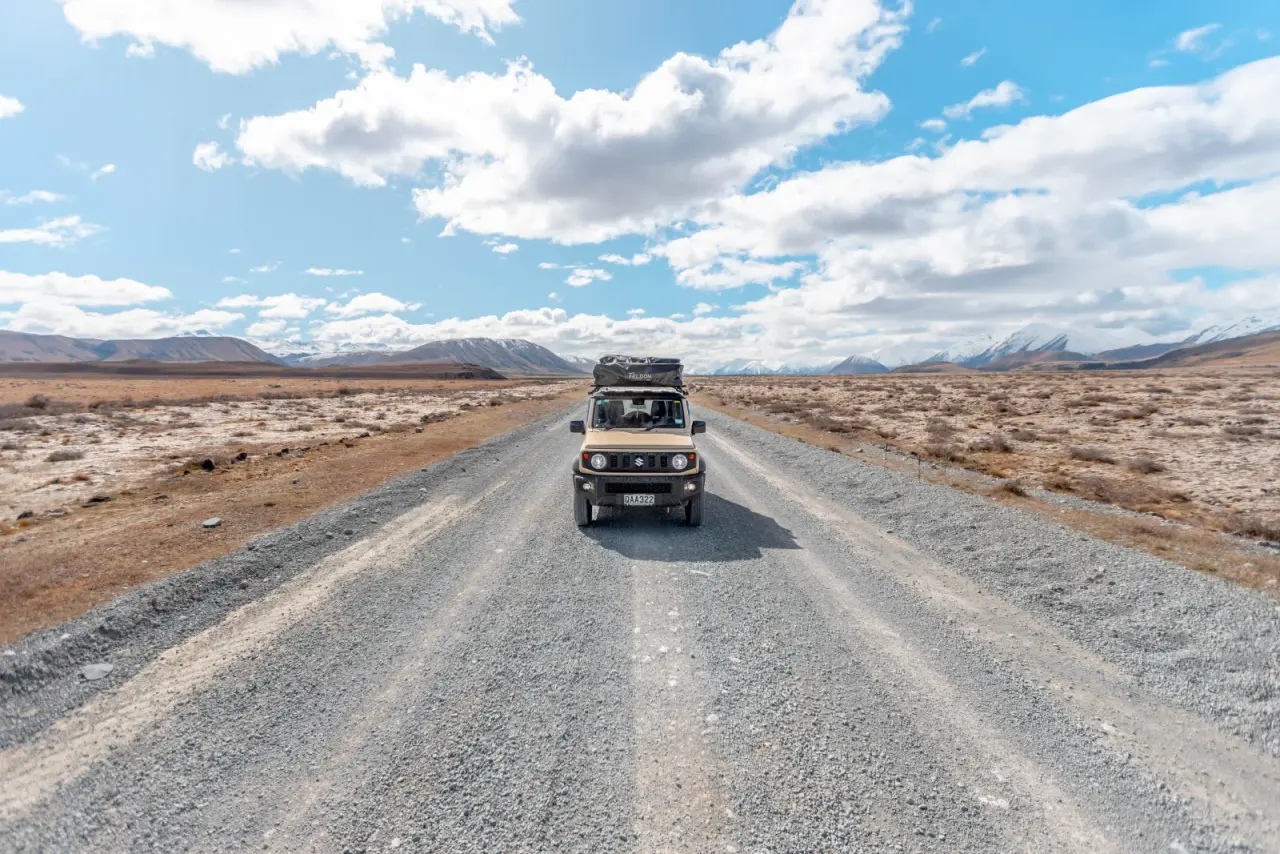
Two things. First, the cost. Campervan hire was a big chunk of the budget, and fuel on top of that. Second, we read a few honest accounts about driving big vans on NZ roads and parking in places like Queenstown. We did not want to spend the trip worrying about every narrow bit or spending ages looking for a park. We looked at alternatives and landed on a compact 4WD with a rooftop tent. Same idea of sleeping where we stopped, but with a vehicle that drove and parked like a car. We cancelled the van and switched. If you are weighing the options, campervan or car for a NZ road trip and campervan vs 4WD in NZ lay out the pros and cons. For a short list of alternatives to a van, campervan alternatives in New Zealand is useful.
The reality of driving a big van in NZ towns
We did not end up driving the van ourselves, but we saw plenty of them. In Queenstown, finding a park for a long vehicle was clearly a hassle. In smaller towns, the main street often has short bays. A car or small 4WD slotted in anywhere. We were glad we were in something that fitted a normal space. We could stop for coffee or groceries without a second thought. That might sound small, but over two weeks it made a real difference to how relaxed we felt getting around.
What surprised us about rooftop tent travel
Setup was faster than we expected. Unfold the tent, secure the ladder, and we were done in a few minutes. Packing up in the morning was quick too, so we could get on the road early. We had worried it would feel like a compromise after imagining a van, but it did not. We slept well, stayed at DOC camps and a couple of holiday parks, and used their showers and kitchens. The only surprise in a negative sense was one very windy night. We had picked a fairly open spot; next time we would choose something more sheltered. Otherwise the tent felt solid and we had no issues with rain.
What we would do differently next time
We would pay more attention to wind when choosing a spot. We would also plan our holiday park stops a bit better so we knew when we would get a proper shower and a kitchen. We would pack a bit less; the vehicle had enough room but we could have been leaner. And we would book the same setup again. For us, the trade-off of no indoor kitchen and no living room was worth it for the easier driving and parking and the lower cost. If you want to try a similar setup, have a look at our camping and vehicles pages.
More reading: